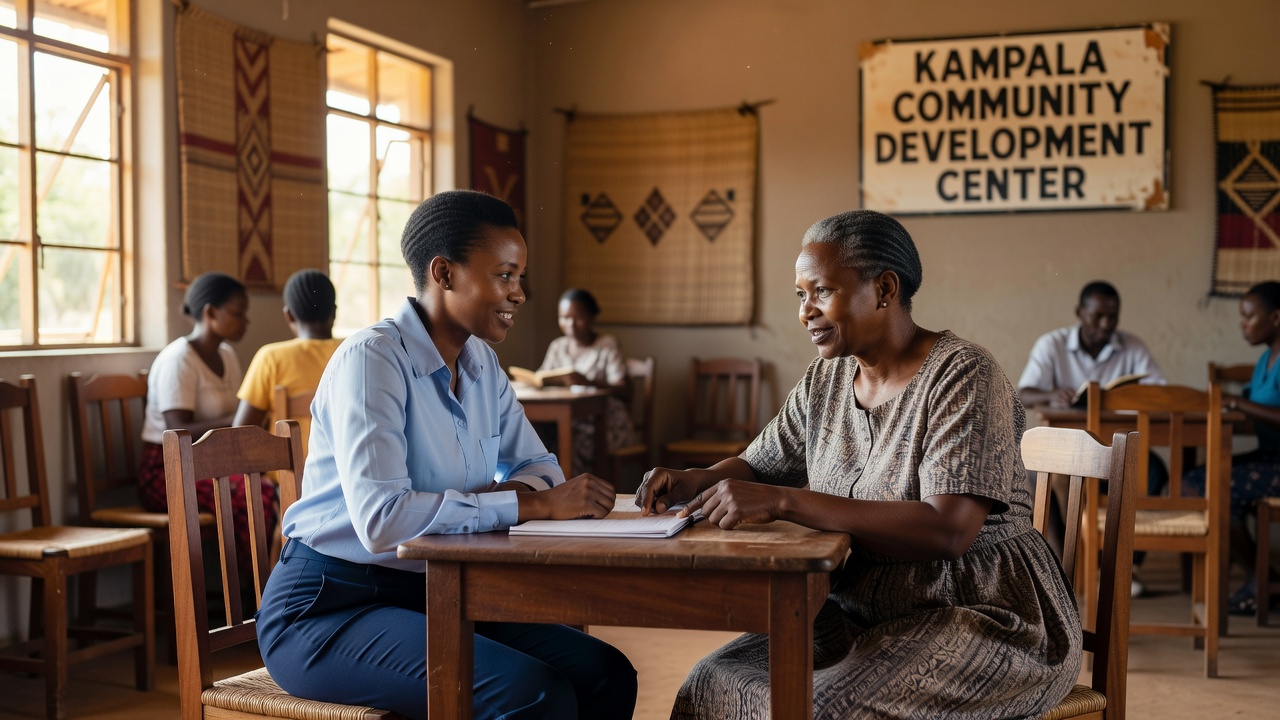

There is a scene I witness regularly in Kampala's professional spaces: a young, talented professional — bright, ambitious, capable — sitting across from a senior colleague they've built the courage to approach. Sometimes the conversation changes everything. More often, it doesn't happen at all.
Uganda is a young country in every sense. The median age of our population is under 17, and the professional workforce is expanding at a pace our institutions are still catching up with. Yet in this environment of extraordinary potential, one of the most powerful catalysts for professional development remains underutilised: structured, intentional mentorship.
The Mentorship Gap
In my twelve years of coaching and consulting across Uganda and the wider East African region, I have observed a consistent pattern: the professionals who rise fastest and sustain their growth are almost always those who had access to at least one mentor who invested genuinely in their development. Not just someone who gave advice — but someone who listened, challenged, opened doors, and believed in their mentee's potential before it was obvious to the rest of the world.
"Mentorship is not a transaction. It is a relationship — and like all meaningful relationships, it requires time, trust, and genuine commitment from both sides."
Yet in many Ugandan workplaces, mentorship remains informal, inconsistent, or entirely absent. Senior leaders are often too busy — or too unaware of the mentorship deficit — to invest in those coming behind them. And younger professionals often lack the language or confidence to ask.
What Intentional Mentorship Looks Like
After facilitating hundreds of mentorship relationships, I've come to believe that the most impactful ones share several characteristics:
- Clarity of purpose: Both mentor and mentee understand what the relationship is for and what success looks like over a defined period.
- Regular, protected time: Monthly or bi-monthly meetings that are treated as non-negotiable, not as extras that get cancelled when life gets busy.
- Honest dialogue: The mentee brings real challenges, not just triumphs. The mentor listens more than they speak.
- Action and accountability: Conversations translate into commitments — and both parties hold each other to account.
- Mutual respect and learning: The best mentors will tell you they learn as much from their mentees as they give.
The Role of Organisations
While individual mentorship relationships are powerful, the greatest impact comes when organisations build mentorship into their culture — not as a programme that runs for six months and then disappears, but as a sustained practice woven into how the organisation develops its people.
At Elevate, we work with several Ugandan organisations to design and support exactly this kind of culture. The evidence is clear: where mentorship is prioritised, employee engagement rises, retention improves, and leadership pipelines strengthen.
An Invitation
If you are a senior professional reading this — whether in Kampala, Mbarara, Gulu, or Mbale — I want to issue a simple challenge: identify one person in your orbit who would benefit from your guidance. Make the first move. Offer your time and your honest counsel. You may not remember exactly what you say. But I promise you — they will.